

Cuckold Relationships Introduction
It’s safe to say that virtually all relationships are complex, at least to some degree. But cuckold relationships? They take on a whole new level of emotional and sexual complexity.
For those who aren’t familiar with the term, a cuckold is a married man whose wife has been unfaithful. The term itself comes from the cuckoo bird, a creature known for laying its eggs in other birds’ nests and tricking them into unknowingly raising its offspring.
Historically, being a cuckold carried a lot of social shame. However, as we’ll explore in detail below, this dynamic can also be consensual, representing an alternative relationship model where a woman is allowed to have intercourse with other men.
In the following article, we explore the psychology and dynamics of cuckold relationships, where we hope to spotlight the trust, jealousy, intimacy and communication involved.
Origins and Evolution of the Term
Historical Meaning and Social Shame
The word “cuckold” stems from the 14th century Middle English term “cokewold.” Back then, men who were cuckolded faced a great deal of shame. Therefore, most early social interpretations involved personal betrayal and a loss of one’s honor.
From Betrayal to Consensual Dynamic
However, cuckolding has evolved into a voluntary relational dynamic, where a man consents to allow his wife to sleep with other men. And today, this is actually a relatively common form of consensual non-monogamy, a structured relationship model based on defined roles and consent, not infidelity.
Obviously, most people still prefer traditional monogamous relationships. But in recent years, there’s been a significant rise in consensual non-monogamy. For instance, polyamory is somewhat of an umbrella term that covers various forms of non-monogamous relationships including cuckolding, hotwifing, and open marriages.
Structure and Roles
The Three Key Roles

Typically, there are three roles in this type of arrangement. There’s the male partner, known as the cuckold, the wife or female partner, sometimes referred to as a hotwife, and the bull, which refers to any third-party male counterpart the female may engage with.
These three roles are symbolic representations of emotional power, communication and control. But couples can sometimes play around in different ways within these roles and their dynamics.
Power Exchange and Emotional Dynamics
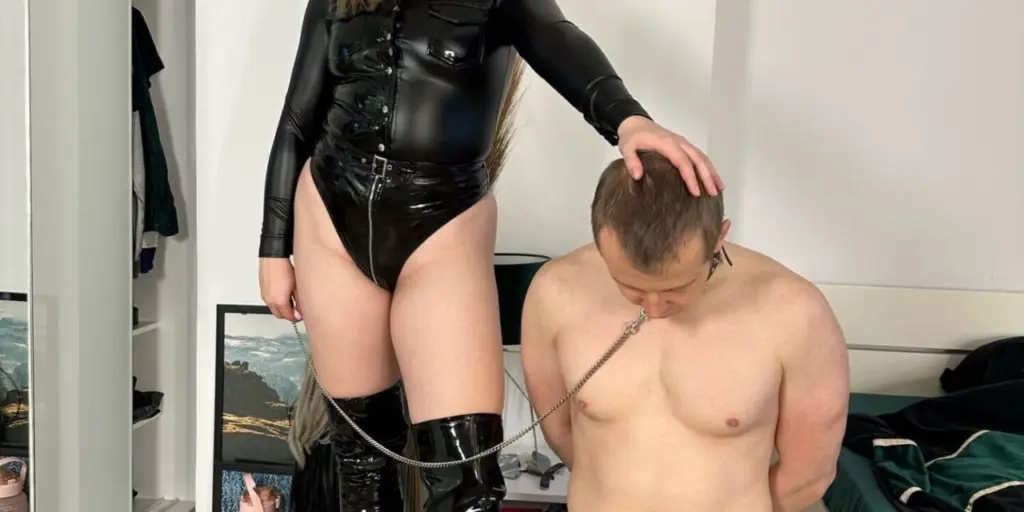
For instance, this arrangement can sometimes be based on a power exchange, where the woman is given power over the men, while others may be centered around emotional transparency or the exploration of vulnerability.
In most cases, there’s almost always an element of psychological surrender, which demands trust and mutual respect if betrayal and humiliation are to be avoided.
So, no matter what type of dynamics are involved, consent and negotiation are integral components for this arrangement to be safe and fair for all parties involved.
Emotional and Psychological Aspects
Vulnerability, Arousal, and Jealousy
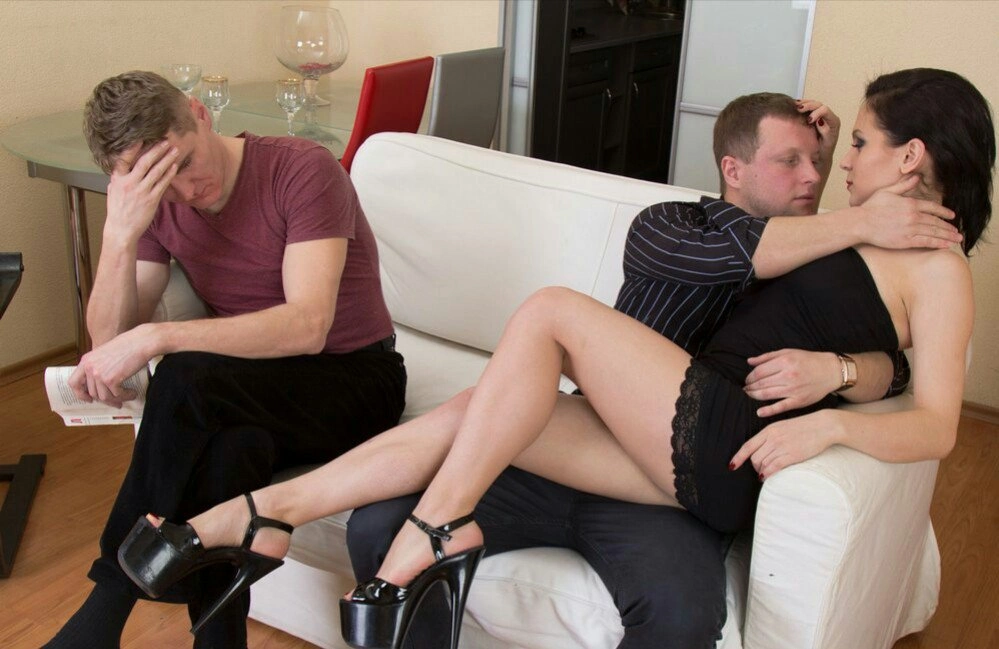
When a man allows his wife to be courted by other men, it’s easy to see how there’s psychological complexity involved. Emotions like vulnerability, curiosity, and control or a loss of control are all blended into one.
This causes some men to experience sexual arousal or emotional release because they may actually enjoy seeing their wife with other men. However, it can also lead some men to feel jealous or shamed, even when it’s consensual.
And that may or may not be part of the desired dynamic. Jealousy and humiliation give the woman power over her husband, which can be fun and exciting for her. But it can also cause serious mental agony for the partner.
Trust, Transparency, and Growth

Yes, there are real feelings involved in these types of relationships. But when this is done in an open and consensual manner, these types of dynamics can also create emotional depth and help to build trust.
There’s also an interesting connection to modern psychology and psychological control in femdom, where this dynamic can show one’s attachment style, as well as their emotional intelligence and awareness.
So, these types of relationships really can bring out the good and bad inside a person. Which is why trust, transparency, communication, and self-reflection are such vital core principles.
It’s also not surprising to learn that partners who practice higher levels of transparency often report higher levels of emotional intimacy as well.
Cultural and Social Perceptions
Media Representation
Typically, media and cultures around the world misrepresent cuckolding. They often focus on the sexual betrayal, the humiliation, and the shame involved rather than the emotional intimacy and transparent communication.
This often stems from the prevalence of traditional monogamous relationships.
The Rise of Consensual Non-Monogamy
But alternative relationship models, like polyamory, open marriages, and relationships with various kink dynamics, are becoming increasingly popular.
Younger generations and open-minded individuals often see this as a consensual form of expression within adult relationships. They see there being nothing wrong with it so long as all parties involved are aware, open, and consenting to what’s going on.
Now, most cultural interpretations still see it as strange, taboo or even in a negative light. But there has been an increasing cross-cultural understanding of non-monogamous dynamics, where emotionally intelligent people can engage in open relationships without guilt, shame, or betrayal, so long as trust, transparency and communication are involved at the forefront.
Common Emotions: Guilt, Reflection, and Growth

When a woman engages with a third party, guilt, embarrassment, reflection, and acceptance are probably the most common emotional reactions for the male partner. And not much changes even when it’s part of an open arrangement.
The difference is that this involves consent. But even then, shame and guilt are still common emotional reactions, which likely stem from internalized social expectations and not necessarily from how the man feels about his relationship or his partner.
Therefore, self-reflection and communication can often turn those negative emotions into self-growth. What initially feels like shame and embarrassment can force a man to look inward, to learn about himself, and to realize that he doesn’t necessarily care about social expectations so long as he and his partner are happy.
There are also psychological theories of intimacy and shame involved in this type of personal growth, which state that acknowledging vulnerability and being open about it can strengthen, and not hinder, relationships.
Communication, Boundaries, and Consent

We’ve already mentioned how consent must be involved for an open arrangement to work without anybody getting hurt. But maintaining open communication and boundaries are just as important.
Because there’s a complex blend of feelings involved, emotional safety should always be put before anything else.
For partners who are thinking about exploring this type of dynamic, it’s crucial not to rush into things. Have deep conversations about it first and acknowledge that people can get hurt if trust and transparency aren’t taken seriously.
If you’re new to power dynamics in relationships, we recommend reading our beginner’s guide to understanding dominance and submission as a starting point.
When you put mutual respect first, it can transform a taboo subject into something that can strengthen trust and empowerment.
Modern Understanding and Relationship Evolution

As you can see by now, this dynamic isn’t what it once was. Of course, some people still do it for the shame and humiliation of it. But when it’s consensual, there’s nothing wrong with that.
In many ways, the evolution of this practice is a direct reflection of modern emotional intelligence. There’s a positive link between emotional maturity, vulnerability, and relational trust.
When it’s consensual, open-minded individuals can often look past purely sexual relationships and understand that alternative forms of intimacy can be just as fulfilling as traditional monogamy.
And today, there are countless online communities that promote education and support. These communities believe that such arrangements shouldn’t be shunned because they aren’t about deviance or betrayal. They’re about self-awareness and consent-based communication, which are far more meaningful and fulfilling than anything else.
Conclusion
Unless there’s no consent, modern cuckold relationships are purely based on trust, vulnerability, and emotional communication.
When built on a foundation of mutual consent, emotional awareness, and psychological depth, they can help the men and women involved explore deeper levels of intimacy.
After all, respect, compassion, and communication have the power to enrich all forms of relationship, whether they’re monogamous or not.
For a visual exploration of these power dynamics in action, explore our curated Hall of Fame collection.