

What Is Shibari
Shibari is a Japanese rope technique that involves tying the body using specific patterns and knots. At its core, it is about using rope to create structure, control, and visual form, but the experience goes far beyond the physical act of tying.
Today, shibari is often described as a mix of art, technique, and sensory exploration. Some people are drawn to its visual appeal, where rope creates intricate geometric patterns across the body. Others are interested in the physical sensations, the focus required during the process, or the sense of connection it can create between partners.
You might also hear shibari referred to as Japanese rope bondage. While that description is technically correct, it does not fully capture the range of experiences people associate with it. For some, it is part of a more intimate or erotic context. For others, it is closer to a creative practice, similar to body art or performance.
One of the reasons shibari has grown so much in popularity is that it can be approached in different ways. You do not need to start with complex patterns or advanced techniques. In fact, most people begin with very simple knots and gradually build confidence as they learn how rope behaves and how the body responds.
If you are completely new to it, the most important thing to understand is that shibari is not just about tying someone up. It is about control, attention, and awareness. The way the rope is placed, the tension that is applied, and the communication between people all play a role in shaping the experience.
In this guide, you will learn what shibari means, where it comes from, and how to start with the basics. We will also go through essential knots, rope selection, safety principles, and the key elements that make the experience both effective and enjoyable.
What Does Shibari Mean

The word shibari comes from Japanese and literally means to tie or to bind. In a broader modern context, it is used to describe a style of Japanese rope bondage that combines technique, body awareness, and visual composition.
You may also come across the word kinbaku, which is often mentioned alongside shibari. In many English language discussions, the two terms are treated as if they mean exactly the same thing, but they are not always used in identical ways. In simple terms, shibari is the word most people recognize first, especially when searching online, while kinbaku is often used in more specialized or traditional contexts.
For a beginner, the most useful thing to understand is this: when people talk about shibari today, they are usually referring to the practice of using rope to create intentional ties on the body in a way that can feel artistic, intimate, focused, or emotionally charged depending on the setting. That is why the term carries more meaning than a simple translation might suggest.
So if someone asks what shibari means, the short answer is easy: it means to tie. The more complete answer is that shibari has become a widely recognized term for a rope practice that blends form, technique, sensation, and connection.
Where Shibari Comes From

Shibari originates from Japan, where rope has been used for centuries in different contexts, both practical and symbolic. Over time, these rope techniques evolved into a more expressive form that focused not only on restraint, but also on aesthetics, intention, and the relationship between the people involved.
It is often said that shibari comes directly from ancient martial practices, but this idea is frequently oversimplified. While rope has historical roots in Japan, modern shibari is better understood as a reinterpretation that developed later, shaped by artistic expression, underground culture, and evolving personal practices.
During the twentieth century, shibari began to appear more visibly in artistic and adult contexts, where it was explored as a form of visual composition and emotional interaction. From there, it gradually spread beyond Japan and reached a wider global audience through photography, performance, and eventually the internet.
Today, shibari is practiced all over the world. Some approach it as a creative discipline, focusing on patterns and visual balance. Others are more interested in the physical sensations or the connection it can create between partners. This evolution is part of what makes shibari unique, as it has grown beyond its origins while still retaining a strong cultural identity.
Evolution of Shibari Over Time
| Period | Main Development | Impact on Modern Shibari |
|---|---|---|
| Historical Japan | Use of rope in practical and symbolic contexts. | Provided the foundation for later techniques. |
| 20th Century | Emergence in artistic and underground scenes. | Shift toward expression and visual patterns. |
| Modern Era | Global spread through media and online platforms. | Expanded into a diverse and widely practiced discipline. |
Why People Are Interested in Shibari

People are drawn to shibari for many different reasons, and this is one of the most important things to understand from the beginning. There is no single way to experience it, and what attracts one person may be completely different for someone else.
For some, the appeal is purely visual. Shibari can create clean, geometric patterns on the body that feel almost like living artwork. The symmetry, tension, and structure of the rope can transform a simple tie into something visually striking.
Others are more interested in the physical sensations. The feeling of rope on the skin, the pressure created by tension, and the awareness of how the body responds can make the experience feel very focused and immersive. Even simple ties can create a strong sense of presence.
Another major factor is connection and the psychological dynamics between people. Shibari often involves a high level of attention between people. The person tying needs to be aware of tension, placement, and feedback, while the person receiving the rope needs to stay in tune with their body and communicate clearly. This interaction can create a strong sense of trust and engagement.
There is also a psychological aspect, especially when it comes to power, control, and emotional interaction. Some people find shibari calming, almost meditative, because it requires focus and slows everything down. Others enjoy the dynamic of control and release, where one person guides the experience and the other lets go of tension, both physically and mentally.
Finally, curiosity plays a big role. Many people discover shibari through images, videos, or online communities and want to understand how it works. What often starts as simple curiosity can evolve into a deeper interest once they begin learning the basics.
Main Reasons People Explore Shibari
| Motivation | What Attracts Users | Resulting Experience |
|---|---|---|
| Visual Appeal | Patterns and symmetry created by rope. | Feels like body based art and aesthetic expression. |
| Physical Sensation | Pressure, tension, and rope contact on the skin. | Creates focus and heightened body awareness. |
| Connection | Interaction and attention between partners. | Builds trust and shared experience. |
| Mental State | Focus and controlled environment. | Can feel calming or immersive. |
| Curiosity | Exposure through media or online content. | Leads to learning and experimentation. |
Is Shibari Always Sexual

One of the most common questions people ask when they first discover shibari is whether it is always sexual. The short answer is no. Shibari can be part of an intimate or erotic context, but it is not defined by it.
In many cases, shibari is practiced as a form of artistic expression or as a way to explore body awareness and connection. The focus can be on the visual patterns created by the rope, the feeling of tension and structure, or the shared experience between people. In these situations, the intention is not necessarily sexual at all.
That said, shibari can also be included in more intimate settings. For some people, it becomes part of a broader exploration of desire, control, and trust. The important point is that the meaning of the experience is shaped by the people involved, not by the technique itself.
This flexibility is one of the reasons shibari has become so widespread. It can exist in different environments, from private personal practice to artistic performance, without being limited to a single interpretation.
Different Ways Shibari Can Be Experienced
| Context | Main Focus | How It Feels |
|---|---|---|
| Artistic | Patterns, symmetry, visual composition. | Creative and expressive. |
| Sensory | Rope tension and body awareness. | Immersive and focused. |
| Relational | Connection and communication. | Trust based and interactive. |
| Intimate | Desire and personal exploration. | Can include erotic elements depending on context. |
Understanding the Main Roles in Shibari
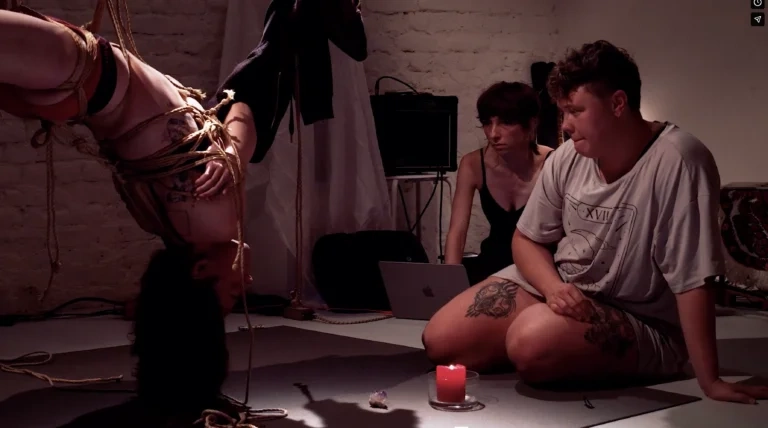
Shibari involves more than just rope and technique. At its core, it is an interaction between people, and understanding the roles involved helps create a safer and more controlled experience from the very beginning.
- The person tying The person tying is responsible for guiding the entire process. This includes placing the rope correctly, managing tension, and constantly observing how the body reacts. It is not just about knowing knots, but about understanding control, precision, and timing.
A good approach is to focus on awareness rather than complexity. Even simple ties require attention to detail. Small changes in tension or placement can significantly affect comfort and stability, which is why beginners are encouraged to move slowly and stay present during the process.
- The person receiving the rope The person receiving the rope plays an equally important role. Even though they are not actively tying, their feedback and awareness are essential for the experience to work properly.
They need to stay attentive to physical sensations such as pressure, numbness, or discomfort, and communicate these clearly. Being aware of how the body feels during each stage helps prevent problems and improves the overall flow of the session.
This role is not passive. It requires participation through communication, body awareness, and trust in the process.
- Communication and trust Communication is one of the most important elements in shibari, especially in dynamics that involve control and guided interaction. Before starting, both people should have a clear understanding of limits, expectations, and how to signal if something needs to change or stop.
During the session, regular check-ins help maintain safety and comfort. Even simple questions or short confirmations can make a big difference in preventing issues and keeping the experience smooth.
Trust builds over time, especially when both people feel heard and respected. Without clear communication, even simple ties can become uncomfortable or unsafe.
Key Roles and Responsibilities in Shibari
| Role | Main Responsibility | Key Focus |
|---|---|---|
| Person Tying | Controls rope placement and tension. | Precision, awareness, safety. |
| Person Receiving | Monitors sensations and gives feedback. | Body awareness and communication. |
| Both | Maintain clear communication. | Trust, respect, and coordination. |
How to Start Shibari as a Beginner
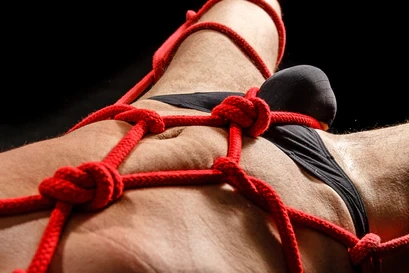
Starting shibari can feel overwhelming at first, especially with so many techniques and styles available. The key is to keep things simple and focus on building a solid foundation rather than trying to replicate complex ties right away.
- Start simple The best way to begin is with basic ties and simple knots. There is no need to rush into advanced patterns or complicated harnesses. Learning how rope behaves, how tension feels, and how placement affects the body is far more important at this stage.
Simple ties allow you to understand control without creating unnecessary pressure or discomfort. This makes the learning process smoother and safer.
- Practice slowly Speed is not important when you are starting. Moving slowly gives you time to observe how the rope interacts with the body and how each adjustment changes the overall feel of the tie.
Taking your time also helps reduce mistakes. When you rush, it becomes easier to create uneven tension or place the rope incorrectly, which can affect both comfort and safety.
- Learn control before patterns Before focusing on complex shapes or decorative designs, it is essential to understand how to control the rope. This includes how to hold it, how to guide it around the body, and how to maintain consistent tension.
Once you understand control, patterns become much easier to learn. Without it, even simple ties can feel unstable or uncomfortable.
- Practice on simple setups You do not need a partner to start learning. Practicing on your own body, or even on objects like a chair or a pillow, can help you develop coordination and familiarity with the rope.
This approach allows you to experiment without pressure and build confidence before moving into more interactive situations.
Beginner Shibari Approach Overview
| Step | What to Focus On | Why It Matters |
|---|---|---|
| Start Simple | Basic knots and light ties. | Builds confidence and reduces risk. |
| Go Slow | Controlled movements and adjustments. | Improves accuracy and awareness. |
| Learn Control | Grip, direction, and tension. | Creates stable and comfortable ties. |
| Practice Alone | Use body or objects to train. | Develops coordination without pressure. |
Shibari Rope Basics
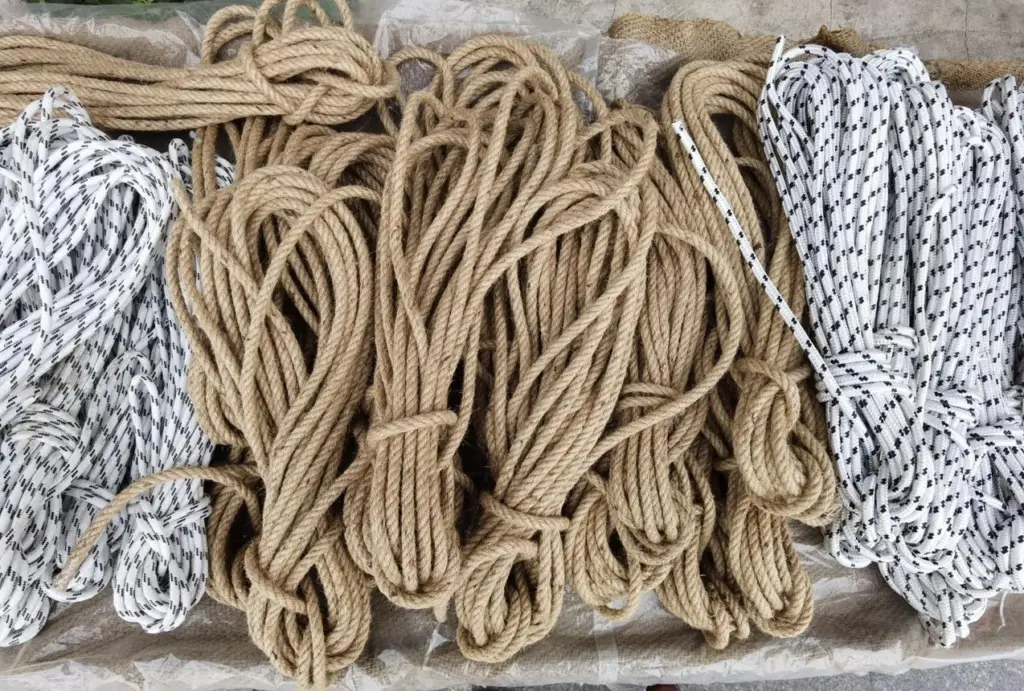
Understanding the rope you use is one of the most important parts of learning shibari. Before focusing on knots or patterns, it helps to know how different types of rope behave and how they affect both control and comfort.
What rope is used for shibari
Shibari can be practiced with different types of rope, but beginners are usually advised to start with something simple and easy to handle. Soft cotton rope is often recommended at the beginning because it is comfortable on the skin, easy to grip, and less likely to cause irritation.
More experienced practitioners may prefer natural fiber ropes such as jute or hemp. These materials create more friction, which can help with control and stability, but they can feel rougher and require more practice to handle properly.
The most important thing at the start is not the material itself, but choosing a rope that feels manageable and allows you to focus on learning the basics.
How rope affects control and comfort
Different ropes behave in different ways, and this directly impacts how your ties feel. Softer ropes are easier to adjust and more forgiving, which makes them ideal for learning. Rougher ropes provide more grip and structure, but they require more awareness when applying tension.
Thickness also plays a role. A rope that is too thin can create more pressure on the skin, while a slightly thicker rope tends to distribute tension more evenly and feel more comfortable.
As you practice, you will start to notice how small differences in rope texture and diameter change the overall experience.
How to handle and store rope
Good rope handling makes everything easier. Keeping your rope organized prevents tangling and saves time when you start tying. A simple way to manage rope is to coil it neatly after each use so that it is ready for the next session.
It is also important to keep your rope clean and in good condition. Over time, rope can wear down or become rough, which can affect both comfort and performance. Checking your rope regularly helps you avoid problems before they happen.
Shibari Rope Types and Their Characteristics
| Rope Type | Main Characteristics | Best For |
|---|---|---|
| Cotton | Soft, smooth, easy to handle. | Beginners and general practice. |
| Jute | High friction, more structured feel. | Intermediate users seeking control. |
| Hemp | Strong, durable, natural texture. | Experienced users and advanced ties. |
Basic Shibari Knots and Techniques
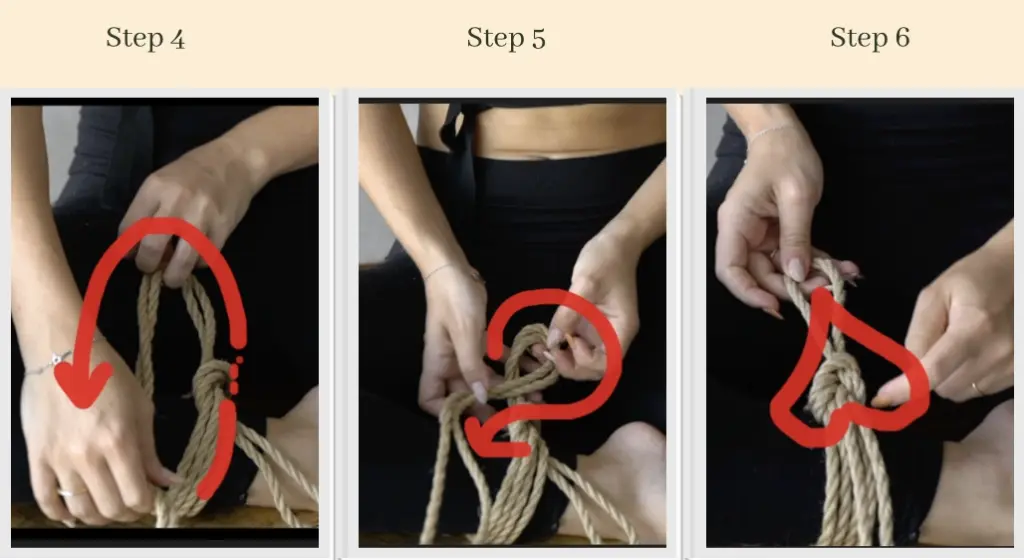
Before moving into complex ties or full body patterns, everything in shibari starts with a few essential knots and rope techniques. Learning these basics gives you the control you need to build stable, comfortable, and effective ties.
Why knots matter in shibari
Knots are not just a way to hold rope in place. In shibari, they control tension, stability, and how the rope interacts with the body. A well placed knot can distribute pressure evenly, while a poorly placed one can create discomfort or instability.
For beginners, the goal is not to learn dozens of knots, but to understand a small number of them really well. Once you master the basics, you can combine them to create more advanced ties.
Fundamental knots
These are the most important knots to learn first. They are simple, widely used, and form the base of many shibari patterns.
Overhand knot
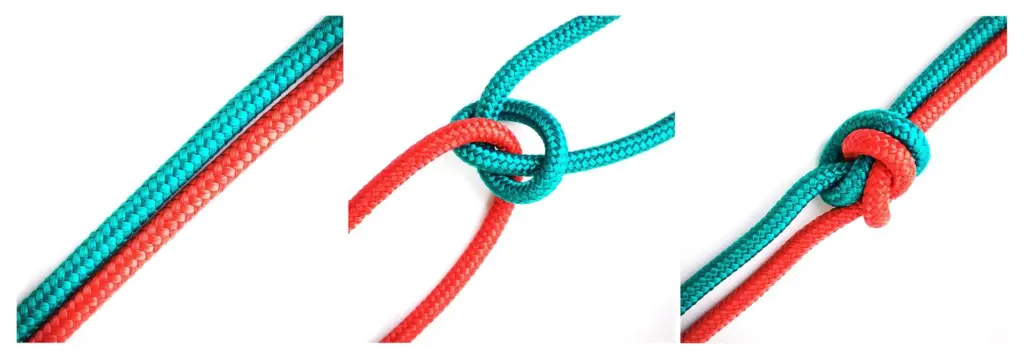
The overhand knot is one of the simplest knots you can learn, and most people already know it from everyday situations. In shibari, it is often used as a stopper or as a starting point to get familiar with rope handling.
Practicing this knot helps you understand how tension works and how the rope feels in your hands.
Square knot
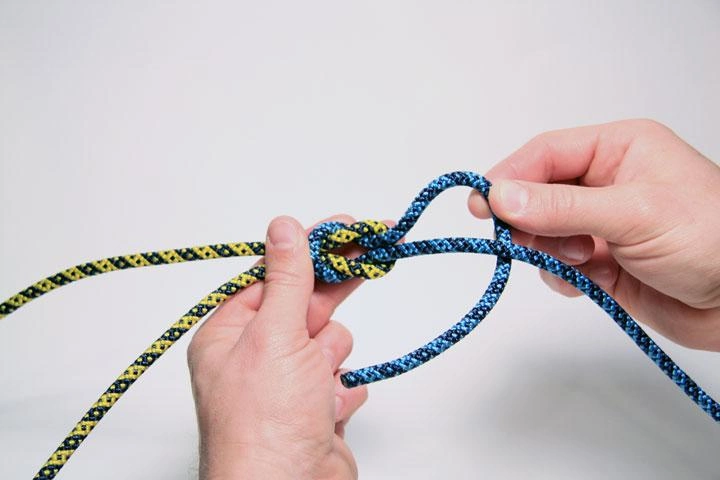
The square knot is commonly used to connect two rope ends. It creates a flat and stable structure, which makes it more comfortable against the body compared to bulkier knots.
It is important to tie it correctly, because if both sides are tied in the same direction, it turns into a less stable variation that can cause pressure points.
Overhand on a bight
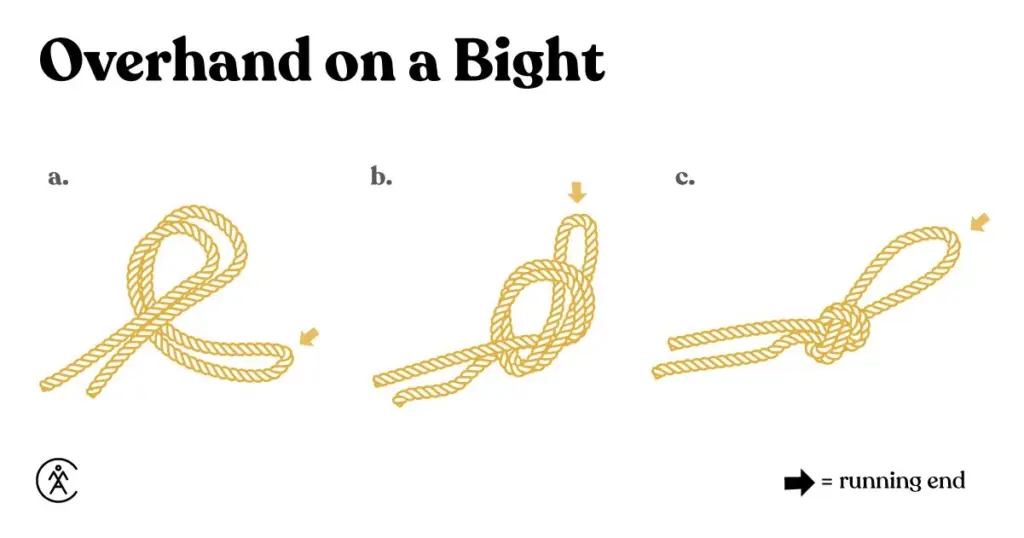
This variation of the overhand knot creates a fixed loop in the rope. It is useful when you need a secure point that can be attached to another part of the body or to an object.
It also introduces the concept of working with a doubled section of rope, which is very common in shibari.
Two half hitches
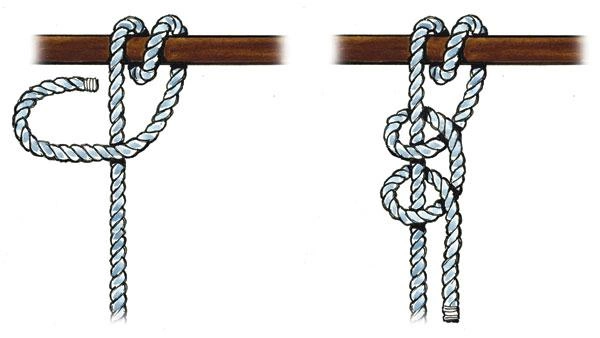
This technique is used to attach the rope to a fixed point. It holds well under tension and is widely used in many rope applications, not just in shibari.
It is simple to learn but requires attention, as it can become harder to untie if too much tension is applied.
Essential Shibari Knots for Beginners
| Knot | Main Use | Why It Matters |
|---|---|---|
| Overhand Knot | Basic stopper and practice knot. | Helps build rope familiarity and control. |
| Square Knot | Connects two rope ends. | Creates a flat and stable connection. |
| Overhand on a Bight | Forms a fixed loop. | Useful for attachment points. |
| Two Half Hitches | Secures rope to an anchor. | Holds well under tension. |
Understanding friction in shibari
In shibari, not everything relies on traditional knots. A key concept is friction, which refers to using the natural grip of the rope against itself to hold structure in place.
Friction techniques are often preferred because they are faster to tie, easier to adjust, and less likely to become too tight or difficult to undo.
- X friction The X friction is used when two rope lines cross each other. It helps keep them in position and prevents unwanted movement, making the structure more stable.
- Square friction The square friction works in a similar way but follows a slightly different structure. It is often used to secure rope segments while maintaining flexibility and control.
Control and anchor techniques
These techniques help manage how rope behaves when it is under tension or when it needs to stay in place.
- Crossing hitch The crossing hitch is used to stop ropes from sliding over each other. It keeps intersections stable and helps maintain clean, controlled patterns.
- Prusik knot The prusik knot allows for adjustable tension. It can slide when relaxed and lock in place when tension is applied, making it useful for dynamic setups.
Decorative knots
Not all knots are purely functional. Some are used to enhance the visual aspect of the tie.
- Double coin knot This knot is mainly decorative. It creates a symmetrical pattern that sits flat against the body, adding visual detail without affecting structure.
- Inline decorative knots These knots are used along the rope to create repeating patterns. They are often added once you are comfortable with basic techniques and want to improve the aesthetic side of your ties.
Connecting ropes
In some situations, you may need to extend or join ropes together.
- Fisherman knot The fisherman knot is used to join two ropes securely. While not always necessary in basic shibari, it can be useful when working with multiple rope lengths.
Common Shibari Ties and Harness Basics
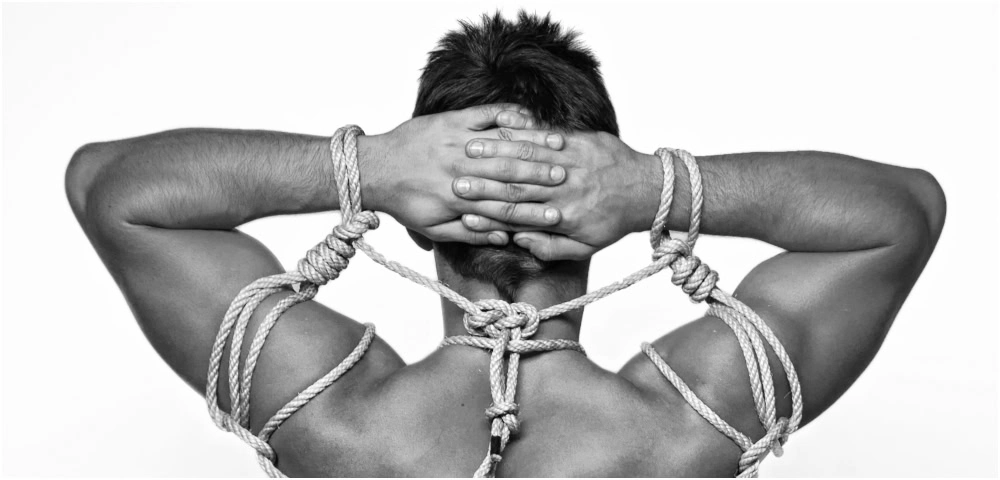
Once you understand basic knots and rope control, the next step is learning how these elements come together in actual ties. In shibari, ties are often built around simple structures that can be expanded or combined over time.
Chest harness
The chest harness is one of the most recognizable structures in shibari. It is created by wrapping rope around the upper body in a way that forms a stable and balanced pattern.
This type of tie is often used as a base. It allows you to attach additional ropes, control movement, or simply create a clean visual structure. For beginners, it is a useful way to understand how tension is distributed across a larger area of the body.
Hip and waist ties
Hip and waist ties focus on the lower part of the body and are often used to create anchor points for other connections. They can be simple or more structured depending on how the rope is applied.
These ties are helpful for learning how to manage direction and tension, especially when connecting different parts of the body. They also show how rope can support position rather than just restrict movement.
Beginner friendly positions
At the beginning, it is best to work with simple positions that do not require extreme flexibility or complex setups. For example, tying wrists to thighs or creating light connections between limbs can help you understand how rope interacts with the body.
These positions allow you to practice safely while focusing on control and comfort. As your experience grows, you can gradually explore more complex arrangements.
Basic Shibari Ties and Their Purpose
| Tie Type | Main Purpose | Why It Is Useful for Beginners |
|---|---|---|
| Chest Harness | Creates a stable upper body structure. | Helps understand tension distribution and control. |
| Hip and Waist Ties | Provides anchor points for connections. | Teaches direction and rope management. |
| Simple Positions | Basic body connections using rope. | Allows safe practice with minimal complexity. |
Shibari Safety Basics
Shibari can be a controlled and rewarding practice, but it always involves some level of risk. Understanding how to reduce that risk is essential, especially for beginners. Safety is not a separate step, it is part of every decision you make while working with rope.
Why safety matters
Even simple ties can affect the body in ways that are not immediately obvious. Pressure, tension, and position all play a role in how the body responds during a session.
Paying attention to safety from the start allows you to build good habits early. This makes every future step easier and helps prevent avoidable problems.
- Common risks Knowing what to look for is one of the most effective ways to stay safe. Most issues in shibari come from pressure, friction, or holding a position for too long.
- Rope burn Rope burn is caused by friction between the rope and the skin. It usually happens when the rope moves too quickly or is pulled across the skin without control.
It can appear as redness, irritation, or light abrasion. Moving slowly and guiding the rope carefully helps reduce this risk.
- Circulation issues Circulation problems can occur when a tie is too tight or held for too long. Signs include numbness, tingling, coldness, or changes in skin color.
If something feels off, the rope should be adjusted immediately. Restoring normal circulation is always a priority.
- Nerve pressure Certain areas of the body are more sensitive than others. Applying pressure to these areas can lead to discomfort or temporary loss of sensation.
Being aware of where the rope is placed and avoiding unnecessary pressure helps prevent these issues.
Common Shibari Risks and How to Manage Them
| Risk | What to Watch For | Basic Prevention |
|---|---|---|
| Rope Burn | Redness or irritation on the skin. | Move slowly and guide the rope carefully. |
| Circulation Issues | Numbness, tingling, or color changes. | Avoid tight ties and adjust when needed. |
| Nerve Pressure | Sharp discomfort or loss of sensation. | Be mindful of rope placement and pressure. |
Safety best practices
Good safety habits come from consistency. Checking in regularly, adjusting tension, and paying attention to how the body responds are all essential.
Avoid leaving someone tied without supervision, and never ignore signs of discomfort. It is always better to pause and adjust than to continue with uncertainty.
Safety tools
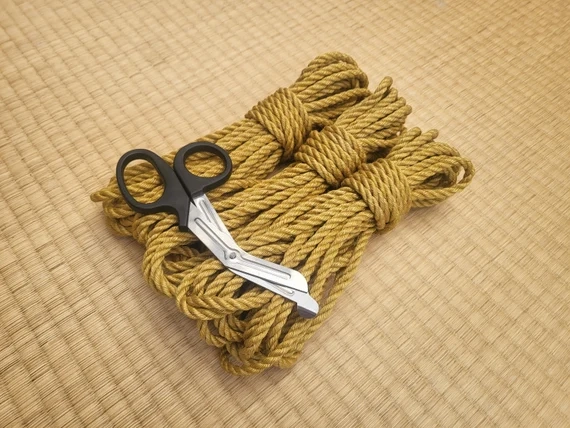
Having the right tools available makes a big difference. A simple pair of safety scissors should always be within reach. In case something needs to be released quickly, you should be able to act without hesitation.
Preparation is part of safety. Knowing where your tools are and being ready to use them is just as important as the technique itself.
Preparing a Shibari Session
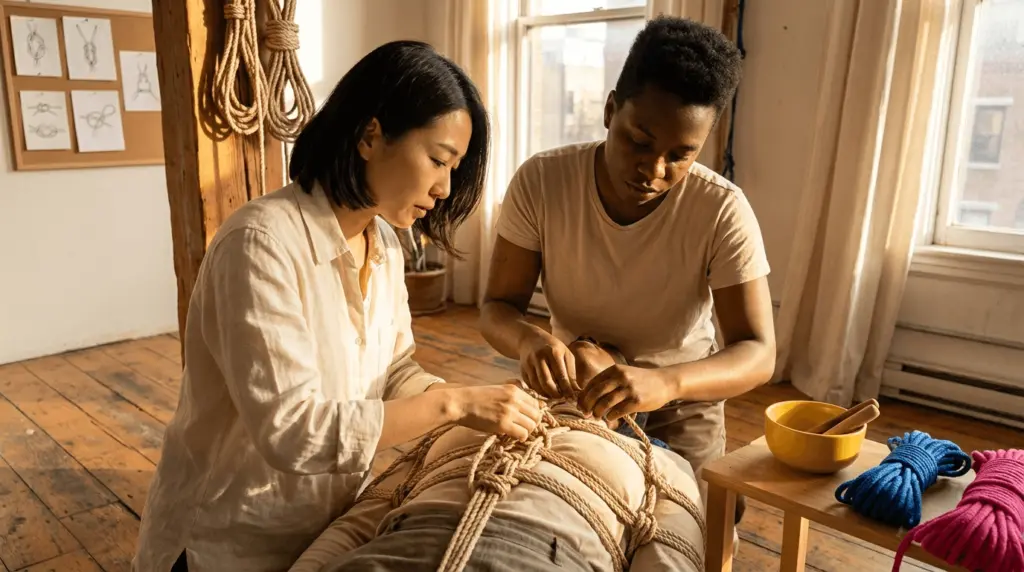
A good shibari session does not start with the rope. It starts with preparation. The environment, the timing, and the overall setup all influence how the experience will feel from beginning to end.
Taking a few minutes to plan these elements can make a noticeable difference in comfort, focus, and overall flow.
- The room The space you choose should allow enough freedom to move comfortably. There should be enough room for both people to adjust positions without feeling restricted.
Privacy is also important. A quiet, uninterrupted space helps maintain focus and avoids distractions that can break the flow of the session.
Temperature matters as well. Since the body may be exposed or in a fixed position, the room should feel comfortable throughout.
- Visual environment Lighting plays a big role in how the session feels. Soft, indirect light tends to create a more relaxed atmosphere, while harsh lighting can feel distracting.
Simple visual elements can also improve the experience. A clean space, minimal distractions, and a calm visual setup help keep attention on the interaction rather than the surroundings.
- Sound and communication Sound can influence the rhythm of the session. Some people prefer silence, while others use music to create a steady pace.
Clear communication should always remain a priority. Even when the environment is quiet, short verbal check-ins help maintain comfort and control.
- Touch and sensation The way the rope feels against the body is central to the experience. Paying attention to pressure, tension, and placement helps create a smoother and more controlled result.
Additional elements such as fabric, blindfolds, or simple variations in touch can change how sensations are perceived, but they should always be introduced carefully.
- Time and pacing Rushing can lead to mistakes and reduce the overall quality of the experience. Allow enough time for tying, adjusting, and untying without pressure.
Taking breaks when needed helps maintain comfort and prevents fatigue. Each session can vary in length depending on experience and complexity.
- Aftercare Aftercare is the final part of a session and is often overlooked by beginners. Once the rope is removed, the body and mind may need time to return to a normal state.
Simple actions such as resting, drinking water, or staying close for a few minutes can help create a smoother transition and leave a more positive overall impression.
Key Elements for a Better Shibari Session
| Element | What to Focus On | Why It Matters |
|---|---|---|
| Room | Space, privacy, and temperature. | Creates a safe and comfortable environment. |
| Visual Setup | Lighting and minimal distractions. | Improves focus and atmosphere. |
| Sound | Music or silence with clear communication. | Supports rhythm and awareness. |
| Touch | Pressure, tension, and sensory elements. | Shapes the physical experience. |
| Time | Pacing and breaks. | Prevents fatigue and mistakes. |
| Aftercare | Rest and recovery. | Helps both people reset comfortably. |
Common Beginner Mistakes

When starting with shibari, it is normal to make mistakes. The important thing is recognizing them early so you can improve faster and avoid unnecessary discomfort or risk.
Most beginner mistakes come from rushing, overcomplicating things, or not paying enough attention to the body and the rope.
- Starting too complex One of the most common mistakes is trying to learn advanced ties too early. Complex patterns may look impressive, but without a solid understanding of basic knots and tension control, they can quickly become confusing or unstable.
Focusing on simple structures first allows you to build confidence and develop proper technique step by step.
- Ignoring communication Communication is often underestimated, especially by beginners who are focused on learning techniques. However, even the simplest tie requires ongoing feedback.
Not checking in regularly can lead to discomfort or unnoticed issues. Clear and consistent communication helps keep the experience safe and controlled.
- Using the wrong rope Starting with rope that is too rough, too thin, or difficult to handle can make learning much harder. It can also affect comfort and increase the risk of irritation.
Choosing a simple, manageable rope at the beginning makes it easier to focus on technique instead of struggling with the material.
- Focusing only on aesthetics It is easy to get caught up in how a tie looks, especially when seeing complex patterns online. However, visual appeal should never come before comfort and control.
A clean, simple tie that feels stable and comfortable is always better than a complex one that creates pressure or instability.
- Not paying attention to the body Every body reacts differently to rope. Ignoring signals such as discomfort, numbness, or tension can lead to problems that could easily be avoided.
Staying aware of how the body feels during the entire process is essential for both safety and overall quality of the experience.
Common Shibari Beginner Mistakes and How to Avoid Them
| Mistake | What Happens | Better Approach |
|---|---|---|
| Starting Too Complex | Unstable or confusing ties. | Focus on basic knots and simple structures. |
| Ignoring Communication | Discomfort or unnoticed issues. | Check in regularly and stay responsive. |
| Wrong Rope Choice | Reduced control and comfort. | Use soft and easy to handle rope. |
| Aesthetics First | Pressure points and instability. | Prioritize comfort and control. |
| Ignoring Body Signals | Increased risk of discomfort or injury. | Stay aware and adjust when needed. |
How to Learn Shibari
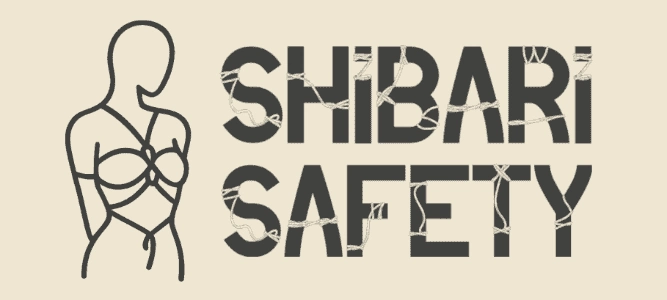
Learning shibari is a gradual process that combines practice, observation, and patience. There is no single path, but the most effective approach is to focus on fundamentals and build from there.
Practice consistently
Like any skill, shibari improves with repetition. Practicing basic knots and simple ties regularly helps develop muscle memory and confidence.
Even short practice sessions can make a difference, especially when you focus on control and precision rather than speed.
Learn from reliable sources
Not all information available online is accurate or safe. It is important to choose learning materials that focus on clear explanations and practical understanding.
Structured tutorials, detailed guides, and well explained demonstrations are more useful than fast, surface level content.
Start with fundamentals
Trying to skip the basics often leads to confusion. Understanding knots, rope handling, and tension control creates a strong foundation that makes everything else easier.
Once these elements are clear, more complex ties and patterns become much more manageable.
Be patient with the process
Progress in shibari takes time. Early mistakes are part of learning, and improving step by step is more effective than rushing into advanced techniques.
Staying patient and focused helps build both skill and confidence over time.
Effective Ways to Learn Shibari
| Approach | What It Involves | Why It Works |
|---|---|---|
| Regular Practice | Repeating basic knots and ties. | Builds muscle memory and consistency. |
| Reliable Learning | Using structured and clear resources. | Reduces confusion and improves understanding. |
| Focus on Basics | Learning control before complexity. | Creates a strong technical foundation. |
| Patience | Progressing step by step. | Leads to better long term results. |
Final Thoughts on Shibari
Shibari is often described as a technique, but in practice it is much more than that. It combines control, awareness, and intention in a way that evolves over time as you gain experience.
For beginners, the most important step is to keep things simple. Focusing on basic knots, understanding how rope behaves, and paying attention to the body will take you much further than trying to recreate complex patterns too early.
As you continue learning, you will start to notice how small details make a difference. The way you handle the rope, the tension you apply, and the way you communicate all shape the overall experience. These elements are what turn simple ties into something more structured and meaningful.
There is no single way to approach shibari. Some people are drawn to the visual side, others to the physical sensations, and others to the connection it can create. This flexibility is what allows it to adapt to different styles and preferences.
If you approach it with patience, attention, and a focus on the basics, shibari becomes easier to understand and more rewarding to practice over time.