

Shibari is often dismissed as just another kinky sex act. Ropes, restraints, domination. But that surface-level view misses everything that makes this Japanese art form so compelling.
Rooted in centuries of Japanese culture and aesthetics, Shibari has evolved into something far more nuanced than bedroom play. It is a practice built on trust, aesthetics, and genuine human connection. The intricate rope patterns are not just visually stunning. They create a dialogue between partners that words cannot replicate.
This guide breaks down what Shibari actually is, where it comes from, and why it resonates so deeply with people drawn to power dynamics and emotional intimacy. Whether you are curious about the art form or considering exploring it with a partner, understanding the psychology behind the ropes changes everything.
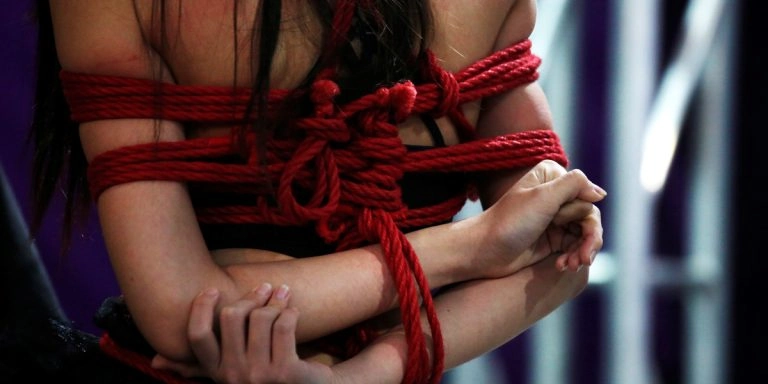
Origins and Cultural Meaning of Shibari
From Hojo-jutsu to Art Form
The historical origins of Shibari remain debated among practitioners and scholars. Some trace its roots to Hojo-jutsu, a feudal Japanese martial art developed for restraining prisoners and captives. According to this narrative, samurai warriors used specific rope patterns to immobilize enemies, with different ties indicating social status and alleged crimes.
However, many Japanese practitioners and educators argue this martial connection is overstated, particularly by Western observers romanticizing the practice. They suggest erotic rope bondage more likely emerged from Japan’s underground fantasy culture, drawing on theatrical traditions, ukiyo-e art, and the country’s rich history of erotic expression rather than battlefield techniques.
Regardless of its precise origins, modern Shibari developed its own distinct identity by the early 20th century. The practice blended technical precision with Japanese principles of beauty and emotional depth, transforming rope work from functional restraint into genuine artistic expression.
Japanese Philosophy and Rope Aesthetics
Japanese philosophy places profound value on restraint, harmony, and the beauty found in structured form. These principles permeate traditional arts like ikebana, calligraphy, and tea ceremony. Shibari, sometimes called Kinbaku (meaning “tight binding”), carries the same cultural DNA.
The rope patterns in Shibari reflect concepts like “wabi-sabi” (finding beauty in imperfection) and “ma” (the significance of negative space). Every knot, every tension point, every curve of rope against skin contributes to an overall composition that practitioners consider genuinely artistic.
Today, Shibari has spread far beyond Japan. It is practiced worldwide as performance art, featured in photography exhibitions, and explored within intimate relationships. While perspectives on rope bondage vary across cultures, the core emphasis remains consistent: building trust, creating beauty, and forging emotional connection between partners. The practice is not simply about physical restraint. It is about the balance of power exchanged between two people who choose vulnerability together.
The Aesthetics of Shibari: Form, Balance, and Symbolism
Visual Beauty and Artistic Elements
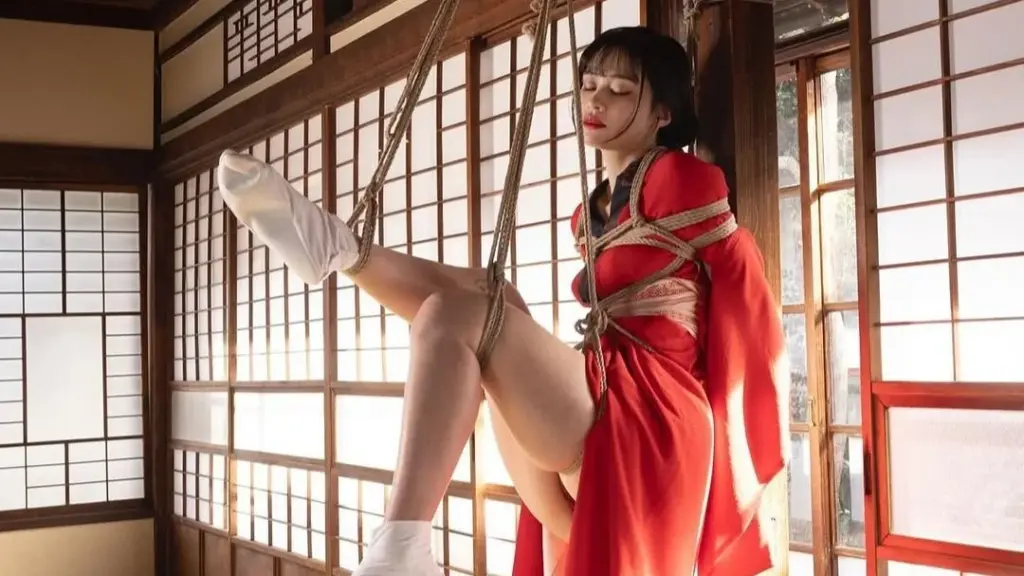
Shibari is primarily a visual art. The symbolism matters, but the immediate impact comes from pure aesthetics. Symmetry, tension, flow, and the interplay between rope and body create compositions that practitioners and observers alike find genuinely beautiful.
The visual appeal operates on multiple levels. There is the geometric precision of the knots themselves. The way rope creates lines across skin, accentuating curves and defining shapes. The contrast between bound and unbound areas. And the overall composition that emerges when all elements work together.
Comparison with Traditional Japanese Arts
When you place Shibari alongside other traditional Japanese art forms like ikebana (flower arrangement), shodo (calligraphy), or martial arts like kendo, the artistic connections become clear. All share an emphasis on form, discipline, and the pursuit of beauty through structure.
Shibari is purely about visual aesthetics, form and pattern, and the symbolic meanings of rope and structure. The sexuality sometimes associated with rope bondage is optional, not inherent. Many practitioners engage with Shibari as a non-sexual art form, focusing entirely on the visual and meditative aspects.
Beyond aesthetics, Shibari carries deeper emotional dimensions: unity between partners, the vulnerability of being bound, the trust required to surrender control, and the responsibility that comes with holding power over another person.
The Psychology of Shibari: Trust, Presence, and Communication
The Dialogue of Trust
When you allow another person to restrain you, it speaks directly to the level of trust between you and them. Shibari is often described as a psychological dialogue of trust, focus, and awareness between partners.
The dynamic is inherently complex. Once restrained, you surrender physical control. But this surrender is not helplessness. Safe words exist precisely because trust in Shibari includes the trust that boundaries will be respected. The rigger holds responsibility not just for the ropes, but for their partner’s physical and emotional wellbeing throughout the session.

Power Dynamics and Emotional Attunement
Consent, control, and empathy blend together in Shibari in ways that push beyond traditional intimacy. The practice represents a balance between vulnerability and safety, making it a direct reflection of how humans connect at deeper levels.
Japanese rope bondage links naturally to broader discussions of power dynamics in relationships. If you are interested in exploring more about psychological control in femdom, we have a dedicated guide on that topic.
Shibari requires emotional intelligence and genuine awareness of your partner. The rigger must read body language, breathing patterns, and subtle cues. The person being tied must communicate their experience honestly. This mutual attunement creates connection that many practitioners describe as meditative or even transcendent.
Shibari in Modern Culture and Media
From Japan to Global Practice
Globalization has transformed Shibari from a niche Japanese practice into an international art form. What once existed primarily within Japanese culture now appears in art galleries, photography exhibitions, fashion editorials, and performance spaces across every continent.
The internet accelerated this spread dramatically. Online communities, tutorial videos, and social media have made Shibari accessible to anyone curious enough to learn. Major cities worldwide now host regular workshops, performances, and gatherings dedicated to rope bondage. The practice has developed distinct regional flavors while maintaining connection to its Japanese roots.

Shibari and Female Empowerment
Surface-level readings of Shibari sometimes frame it as men dominating women. The visual of a bound female body can trigger assumptions about traditional gender dynamics and power imbalances.
Reality is more nuanced. Many women serve as riggers, tying male or female partners with skill and authority. In femdom contexts, Shibari becomes a tool of female dominance where the woman controls every aspect of the scene.
Even when women are the ones being tied, the dynamic need not be disempowering. Choosing to surrender control requires strength. Trusting a partner completely is an act of agency, not weakness. Many women describe being tied as liberating precisely because it allows them to release responsibility and exist fully in the moment.
The rigger’s role can also be reframed beyond dominance. Tying someone is an act of care, attention, and service. The rigger takes responsibility for their partner’s safety, comfort, and experience. Contemporary Shibari communities emphasize this reciprocal nature: both partners give and receive, regardless of who holds the rope.
The Emotional and Symbolic Depth of Shibari
The beauty of Shibari lies partly in the balance between control and surrender. This dynamic requires profound trust between partners. Without that foundation, restraint becomes fear rather than intimacy.
Global perspectives on rope bondage vary, but most practitioners recognize Shibari as a metaphor for communication and mutual respect. The physical act of binding represents deeper emotional bonds. Trust and emotional presence are perhaps the most defining characteristics of meaningful Shibari practice.
Connections to Eastern Philosophy
Shibari embodies several themes found throughout Eastern philosophy and literature. The practice reflects concepts of human connection through the consent and respect exchanged between partners. Impermanence appears in the fleeting nature of each tie, which exists only temporarily before being undone. Mindfulness emerges naturally as both rigger and partner focus completely on the present moment.
These philosophical dimensions explain why Shibari transcends simple eroticism. The art and psychology of rope bondage frame it as a reflection of human empathy and the unity possible between two willing partners who choose to trust each other completely.
How to Approach Shibari as a Beginner
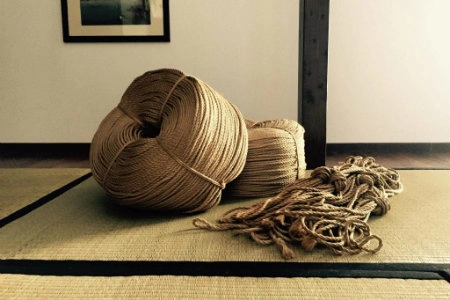
If you are new to Shibari and want to explore rope bondage, there are essential principles to understand before you begin.
First, education is essential. Learn about rope safety, proper techniques, and communication before attempting any ties. Online resources, workshops, and local communities offer responsible instruction for beginners.
Second, start simple. Basic ties and patterns form the foundation of Shibari. Do not rush into complex suspensions or intricate designs without mastering fundamentals first. Floor-based ties are the safest starting point.
Third, communication with your partner is non-negotiable. Establish safe words, discuss boundaries clearly, and check in regularly during practice. Never leave a tied person unattended.
Fourth, plan for aftercare. Shibari sessions can be emotionally and physically intense. Discuss beforehand what each partner needs after the ropes come off, whether that means quiet time together, physical comfort, hydration, or simply talking about the experience.
If you are completely new to dominance and submission dynamics, we recommend starting with our beginner’s guide to femdom to understand the foundational concepts of power exchange.
For practical tips on getting started with femdom practices, including bondage elements, check out our guide on femdom practices for beginners.
Conclusion
Shibari mirrors humanity in many ways. The art form carries cultural, emotional, and artistic dimensions that few other practices combine so completely.
Shibari blends visual aesthetics with mindfulness and trust, creating experiences that involve multiple layers of emotion and connection. The ropes become a language between partners, communicating things that words cannot express.
Cultural attitudes toward rope bondage vary worldwide, but the practice consistently encourages concepts like consent, trust, empathy, awareness, and communication. These principles extend far beyond the ropes themselves.
Ultimately, Shibari is about beauty, respect, and forging deeper human connections than many people have the opportunity to experience. Whether approached as art, meditation, intimacy, or all three, the practice offers something genuinely transformative for those willing to explore it thoughtfully.